Creating a quiet and peaceful home environment can significantly improve your comfort and well-being. Whether you live in a busy neighborhood, an apartment, or just want to minimize everyday sounds, there are simple and practical ways to reduce noise at home. In this post, we’ll explore effective methods that don’t require major renovations and can help you enjoy a calmer living space.
Understanding the Sources of Noise
Before tackling noise reduction, it’s helpful to identify where the noise is coming from. Common sources include:
– Traffic sounds from outside
– Loud neighbors or adjacent apartments
– Household appliances and electronics
– Footsteps and voices inside the home
– Outdoor noise like lawn mowers or construction
Knowing the source will help you choose the most effective solutions.
Easy Ways to Block Noise from Outside
Seal Gaps and Cracks
Small gaps around windows, doors, and walls can let in a surprising amount of noise. Use weatherstripping or caulking to seal these openings. This simple step not only blocks sound but also improves energy efficiency.
Use Heavy Curtains or Window Inserts
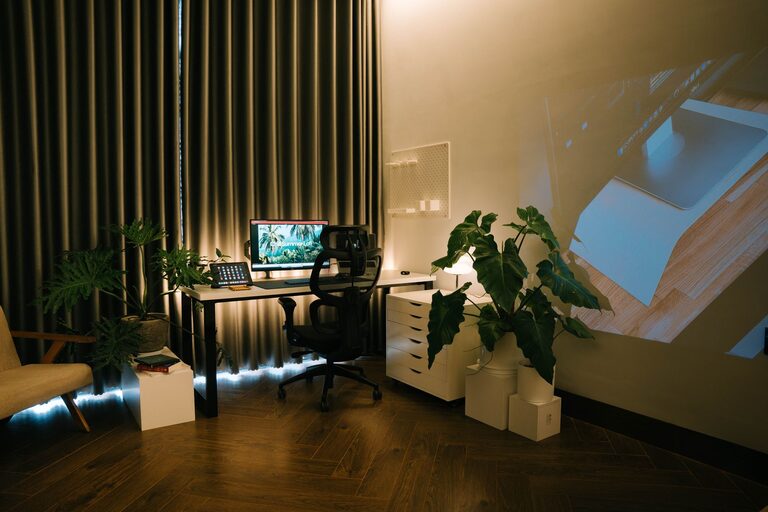
Thick, heavy curtains can absorb and reduce outside noise. Look for curtains labeled as soundproof or blackout for added benefits. Alternatively, installing window inserts or double-pane windows offers better sound insulation.
Add Plants Near Windows and Doors
Plants work as natural sound absorbers. Placing tall potted plants near windows or doors can help muffle noise. Plus, they add a refreshing touch to your interior décor.
Reducing Noise Inside Your Home
Soft Furnishings Absorb Sound
Hard surfaces reflect sound, making rooms louder. Adding rugs, carpets, cushions, and upholstered furniture helps absorb noise and reduce echo. Area rugs are especially useful on wooden or tile floors.
Use Bookshelves and Wall Hangings
Filled bookshelves act as sound blockers by creating dense barriers. Hanging fabric wall art or tapestries also helps absorb sound waves. These options enhance your room’s style while controlling noise.
Install Door Sweeps and Draft Stoppers
Noisy air and sound often seep under doors. Installing door sweeps or using draft stoppers can block noise that travels through these gaps.
Soundproof Your Walls and Ceilings
Add Acoustic Panels
Acoustic panels are designed to absorb sound and reduce reverberation. They can be DIY installations or pre-made products that blend with your décor. Consider placing them on walls facing noisy areas or ceilings if upstairs noise is an issue.
Use Soundproofing Foam or Mats
For rooms with significant noise, soundproof foam or mats can be attached to walls or ceilings. These materials help absorb sound before it spreads, creating a quieter environment.
Paint with Soundproofing Paint
Although not as effective as other methods, soundproofing paint can slightly reduce noise. It’s easy to apply and can be combined with other sound-reducing solutions for better results.
Managing Noise from Appliances and Electronics
Choose Quieter Models
When replacing appliances, look for models designed to operate quietly. Items like dishwashers, washing machines, and HVAC systems often come with noise ratings.
Use Furniture to Buffer Noise
Placing furniture like cabinets or bookshelves near noisy appliances can help muffle the sound. Items made with fabric or wood are particularly good at absorbing noise.
Turn Off Devices When Not in Use
Many electronics emit humming or buzzing sounds even when idle. Turning off devices fully or unplugging them when possible reduces background noise.
Additional Tips for a Quieter Home
Create a “Quiet Room”
Designate a room where noise disturbances are minimized. Use soft furnishings, rugs, and sound-absorbing materials to make it a comfortable retreat.
Use White Noise Machines or Fans
While this doesn’t directly reduce noise, white noise machines or fans can mask disruptive sounds, making them less noticeable.
Communicate with Neighbors
If external noise comes from neighbors, having a polite conversation about quiet hours can lead to mutual understanding and noise reduction.
Final Thoughts
Reducing noise at home doesn’t have to be complicated or expensive. By applying some of these simple tips, you can create a peaceful environment that supports relaxation and focus. Start with easy fixes like sealing gaps and adding soft furnishings, then explore more advanced options as needed. Your home should be your sanctuary—make it as quiet and comfortable as possible.
About the Author