
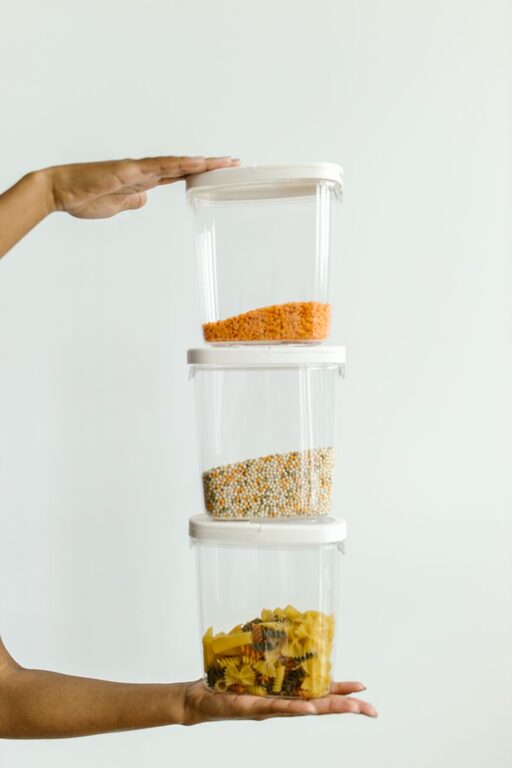
Planning meals from pantry staples is a practical way to save time, reduce food waste, and keep your grocery bills manageable. Whether your pantry is packed with canned goods, dried grains, or spices, you can create delicious and nutritious meals without a last-minute trip to the store. This guide will walk you through how to organize your pantry, identify key ingredients, and plan meals that make the most of what you already have.
Understanding Pantry Staples
Pantry staples are non-perishable foods that can be stored for long periods without spoiling. These include items like:
– Canned beans and vegetables
– Rice, pasta, and grains
– Cooking oils and vinegars
– Spices and herbs
– Flour, sugar, and baking essentials
– Broths and sauces
Keeping a well-stocked pantry means you’ll always have foundational ingredients to create balanced meals.
Why Use Pantry Staples for Meal Planning?
– Cost-effective: Using what you already have reduces trips to the store and impulse buys.
– Convenient: Meals can be planned ahead or prepared quickly when you know your pantry options.
– Versatile: Many staples are ingredients in a wide variety of cuisines and dishes.
– Less Waste: Using pantry items before they expire helps reduce food waste.
Step 1: Take Inventory of Your Pantry
Start by reviewing and organizing your pantry. This will help you see what’s available and plan meals accordingly.
– Group similar items together: Canned goods, grains, spices, etc.
– Check expiration dates and highlight items that should be used soon.
– Make a list of your staple ingredients and note quantities.
Step 2: Identify Meal Themes and Ingredients
Once you know what you have, consider meals that can be based on those staples. Some common meals made from pantry items include:
– Pasta dishes: With canned tomatoes, pasta, olive oil, and herbs.
– Rice bowls: Using rice, canned beans, vegetables, and sauces.
– Soups and stews: Combining broth, canned vegetables, beans, and spices.
– Stir-fries: Using canned vegetables or frozen ones, rice or noodles, and sauces.
– Baked goods: With flour, sugar, baking powder, and canned fruit or nuts.
When selecting meals, aim for balance by adding fresh produce or proteins if available.
Step 3: Plan Your Meals for the Week
Use your pantry inventory and meal ideas to plan a weekly menu. A simple process to follow:
- **Pick 3–5 main meals** based on staple ingredients.
- **Add variety** by mixing different grains, proteins, and spices.
- **Consider leftovers** for lunch or reimagined dinners.
- **Include simple sides** like salads or steamed vegetables, if possible.
Writing down a meal plan helps avoid last-minute decisions and ensures you use your pantry items before they expire.
Step 4: Recipes and Cooking Tips
Here are some easy pantry-based meal ideas and tips to get you started:
1. Quick Tomato Pasta
– Cook pasta according to package instructions.
– Heat canned diced tomatoes with garlic, olive oil, and herbs like basil or oregano.
– Mix pasta with the sauce; add canned olives or capers for extra flavor.
2. Bean and Rice Bowls
– Cook rice and heat canned beans (like black or kidney beans).
– Top with salsa, canned corn, and a squeeze of lime juice.
– Garnish with any fresh herbs or cheese if you have it.
3. Vegetable Soup
– Use broth or water with bouillon cubes.
– Add canned vegetables, beans, and grains like barley or pasta.
– Season with salt, pepper, and herbs to taste.
4. Chickpea Curry
– Sauté spices such as cumin, turmeric, and curry powder in oil.
– Add canned chickpeas and canned tomatoes.
– Simmer until thickened and serve with rice or flatbread.
5. Pancakes with Pantry Ingredients
– Use flour, sugar, baking powder, milk or milk alternative, and an egg.
– Add canned fruit or syrup as a topping.
Step 5: Keep Your Pantry Organized
An organized pantry makes planning meals easier and more enjoyable.
– Use clear containers or labels to see contents quickly.
– Store heavier items lower and lighter ones higher for safety.
– Rotate stock regularly by placing new items behind older ones.
– Keep a running list of staples to refill as needed.
Bonus Tips for Successful Pantry Meal Planning
– Mix fresh with pantry: Buy fresh produce and proteins that complement pantry items.
– Batch cook: Prepare big portions and freeze leftovers for busy days.
– Use versatile spices: Salt, pepper, garlic powder, chili flakes, and dried herbs can change a dish’s flavor profile completely.
– Be creative: Try mixing ingredients in different ways, such as turning leftover rice into fried rice or making a casserole.
Conclusion
Meal planning from pantry staples is a useful skill that saves money, time, and stress. By understanding your pantry, selecting versatile staples, and planning thoughtfully, you can enjoy a variety of satisfying meals every week. Remember, the key is to keep your pantry stocked with essentials and combine them with occasional fresh ingredients to keep meals exciting and balanced. Start today by taking stock of your pantry and crafting a simple meal plan—you might be surprised at how delicious and easy it can be!
About the Author