
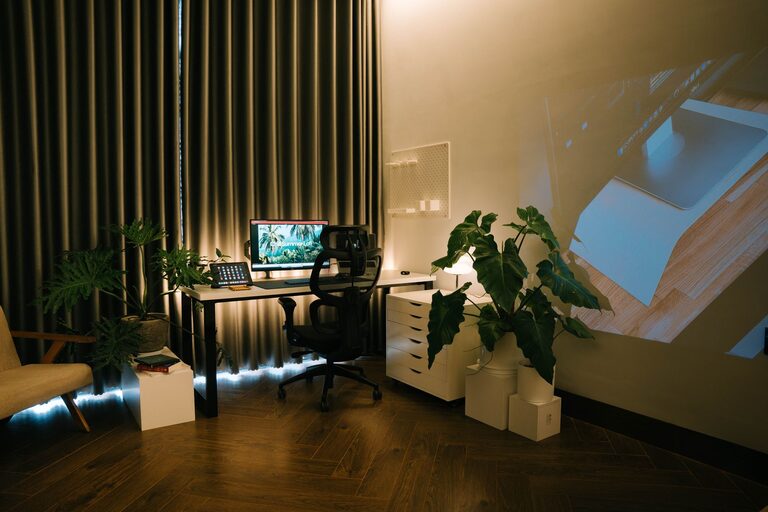
Creating a relaxing home workspace is essential for maintaining focus and reducing stress during your workday. Whether you work remotely full-time or occasionally, setting up a comfortable and peaceful area dedicated to your tasks can improve both your productivity and overall well-being. In this guide, we’ll explore practical steps to transform your home workspace into a calming environment.
Why a Relaxing Workspace Matters
A cluttered or uncomfortable workspace can increase stress and make it harder to concentrate. On the other hand, a well-designed, relaxing space encourages steady focus, creativity, and a healthy work mindset. When you feel calm and comfortable, you’re less likely to experience burnout, which leads to better work performance.
Choosing the Right Location
Find a Quiet Spot
– Select an area in your home with minimal noise and foot traffic.
– If possible, avoid spaces near the kitchen or living room to limit distractions.
– Use noise-cancelling headphones or soft background music to create a serene atmosphere.
Consider Natural Light
– Position your desk near a window to maximize natural light.
– Natural light boosts mood and energy, reducing eye strain.
– If natural light is limited, opt for warm, adjustable lighting.
Ergonomic and Comfortable Furniture
Invest in a Quality Chair
– Choose an ergonomic chair with adjustable height and good lumbar support.
– Sitting comfortably helps prevent back pain and fatigue.
Desk Choices
– Use a desk that fits your space and work needs—consider sit-stand desks to alternate postures.
– Keep your workspace organized to create a clutter-free zone.
Organizing and Decluttering
Minimalism Helps Relaxation
– Keep only essential items on your desk.
– Use organizers, trays, or drawers to store supplies neatly.
Personal Touches
– Include a few personal items like a small plant, photo, or artwork to make the space inviting without cluttering.
Incorporate Calming Elements
Use Colors Wisely
– Soft, neutral colors such as light blues, greens, or beige promote calmness.
– Avoid overly bright or distracting patterns.
Add Greenery
– Place small indoor plants on or near your desk.
– Plants improve air quality and provide a soothing visual.
Aromatherapy
– Use a diffuser with subtle essential oils like lavender or eucalyptus for relaxation.
Technology Setup for Ease
Manage Cables
– Use cable organizers or clips to keep cords tidy.
– A clean tech setup reduces distractions and frustration.
Quality Equipment
– Use reliable and comfortable keyboards, mice, and monitors to ease strain.
– Ensure your screen is at eye level to prevent neck strain.
Creating Boundaries and Routine
Separate Work from Leisure
– Avoid working from your bed or couch to maintain a professional mindset.
– Set clear start and end times to help balance work and personal time.
Take Breaks
– Schedule short breaks to stretch or walk.
– Breaks improve focus and reduce tension.
Final Thoughts
A relaxing home workspace doesn’t require a large budget or a dedicated spare room. With thoughtful choices about location, furniture, lighting, and organization, you can create a peaceful environment that supports your productivity and well-being. Start small and personalize your space to reflect what helps you feel calm and focused.
By cultivating an inviting and comfortable area, your home workspace can become a place you look forward to spending time every day.
About the Author